

Why Organic Food Is More Than a Trend: A Healthier Choice for People
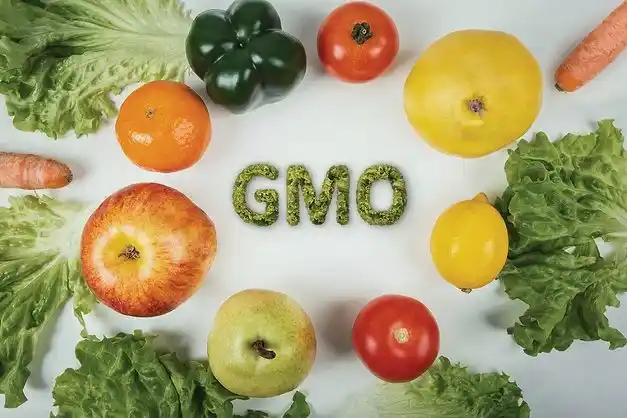
In recent years, organic food has moved from niche grocery store shelves to mainstream kitchens—and for good reason. More people are becoming conscious of what they eat, where it comes from, and how it affects their health and the environment. Organic food isn’t just a label; it’s a lifestyle choice that supports wellness, sustainability, and ethical farming. 1.What Is Organic Food? Organic food is grown and produced without the use of synthetic pesticides, chemical fertilizers, genetically modified organisms (GMOs), antibiotics, or artificial growth hormones. Organic farming focuses on natural processes that maintain soil health, protect biodiversity, and respect animal welfare. From fresh fruits and vegetables to grains, dairy, and packaged products, organic food aims to deliver nutrition in its most natural form. 2.Health Benefits of Organic Food One of the biggest reasons people choose organic food is health. Eating organic supports a cleaner, more natural diet—especially important for children, pregnant women, and families. Why Choosing Certified Organic Matters Buying certified organic food ensures: 3.How to Identify Certified Organic Food in India With growing awareness about health and sustainability, more consumers in India are choosing organic food. However, the increasing demand has also led to confusion and misuse of the “organic” label. To make sure you’re truly buying organic, it’s important to know how to identify certified organic food in India. What Does “Certified Organic” Mean? Certified organic food is produced according to strict standards set by government-authorized certification bodies. These standards ensure that the food is grown without synthetic pesticides, chemical fertilizers, GMOs, or harmful additives, while following eco-friendly and ethical farming practices. In India, organic certification is regulated by official national programs. Look for Government-Approved Organic Logos The easiest and most reliable way to identify certified organic food is by checking for official certification logos on the packaging. Check the Certification Number and Agency Certified organic products must display: You can cross-check these details on official government or certification agency websites to confirm authenticity. Read the Product Label Carefully A genuine organic product label should clearly mention: Terms like natural, pure, or eco-friendly are not the same as organic and are often used for marketing. Buy from Trusted Sources To reduce the risk of fake organic claims: 4.Can Organic Food Be GMO? Organic food cannot be genetically modified (GMO). One of the core principles of organic farming—both in India and internationally—is the strict prohibition of genetically modified organisms at every stage of production. Why GMOs Are Not Allowed in Organic Food Organic standards are designed to keep food as natural as possible. This means: Allowing GMOs would go against the foundation of organic agriculture, which focuses on natural breeding, biodiversity, and ecological balance. Organic Standards in India In India, organic certification bodies such as: clearly state that GMO use is strictly banned in certified organic products. Any product labeled certified organic must comply with these rules to legally carry organic certification. Organic vs Non-GMO: Are They the Same? Not exactly: So while all organic food is non-GMO, not all non-GMO food is organic. Frequently Asked Questions on Organic Products 1. Why are organic products better for family health? 2. Are organic foods really healthier than non-organic? 3. What are the top 10 benefits of eating organic food? 4. What is the difference between organic and regular dairy products? 5. Is organic food worth the cost for families?
Why Organic Food Is More Than a Trend: A Healthier Choice for People Read More »